Commercial Waste Harrow
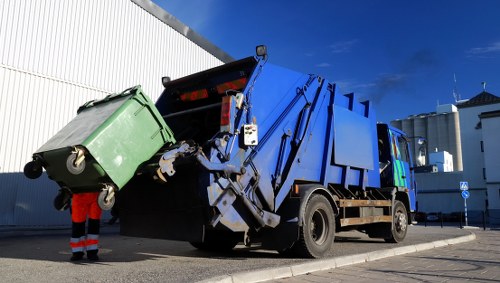
Commercial waste removal in Harrow needs to be straightforward, lawful and suited to the way your business works. We handle recurring and one-off waste collections for premises that want a cleaner site, a tidier workflow and a clearer route to disposal. The focus is on practical removal of commercial rubbish, with a service shaped around the type and volume of material rather than a one-size-fits-all approach.
Our work covers common business waste streams from offices, shops, hospitality settings, shared buildings and other commercial premises in the area. Where different materials need separating, we can plan the collection around the load so the right items are dealt with properly. Clear communication about what needs removing helps keep the process efficient, and we keep the service centred on safe handling, sensible loading and responsible onward processing.
If you need commercial waste cleared in Harrow, start by thinking about the materials, access and timing that suit your premises. Give us the essentials first, then ask for a quotation once you know the type of waste involved. For larger clearances, a simple description of the load often makes the next step easier. If you are ready, you can ask for a quotation today.
Business waste collections for everyday operations
Regular commercial waste collection is often the most practical option for businesses that generate steady volumes of rubbish. This can include mixed office waste, packaging, paper, light fixtures, bags of unwanted stock and general clear-out material from back rooms, cupboards or storage areas. A collection can be arranged to fit your premises rather than forcing staff to manage awkward disposal themselves.
Different organisations need different handling. A retail unit may mainly need packaging and display waste removed, while an office might want deskside waste, archive clear-outs and leftover furniture dealt with together. We keep the service focused on the tasks in front of you, and where the waste is suitable for sorting, separating materials early can make disposal more efficient. If you are comparing options, ask what can be collected together so you are not organising more than necessary.
Office clearances and workspace resets
Office waste removal is useful when workstations are changing, storage is being reduced or rooms need to be reset for new layouts. We can remove unwanted furniture, surplus office equipment, archive-related waste and other items that are no longer needed on site. That may include items from individual rooms or a wider clear-out across several areas of the building.
For many offices, the main issue is not just volume but coordination. Computer tables, cabinets, chairs and packed contents may all sit in different parts of the premises, so it helps to plan what should go and what should stay. A tidy, considered approach reduces disruption and keeps the workplace usable. If a job involves multiple rooms, it is often simplest to list the spaces in order and request a quotation based on the full scope.
Useful office items often include desks, filing cabinets, shelving, chairs, monitors, boxed paperwork and small fittings. Some items may need extra care because of weight, shape or material, so the collection should be based on practical handling as much as quantity. Use a clear list if you have one; it saves time and helps define the job accurately.
Furniture and bulky item removal
Commercial furniture disposal is often needed when premises are reconfigured, contracts change or old furnishings become unsuitable for use. We remove bulky pieces such as desks, tables, chairs, cabinets, reception items and other large objects that are difficult to move internally. The service is designed to take the strain out of lifting, carrying and loading items that can be awkward to deal with in a working environment.
Furniture removal is usually easier when the type, quantity and location of the items are known in advance. A few loose pieces in a storage room are very different from a full floor of furniture spread across several offices. Where items are reusable, damaged, mixed with waste or partly dismantled, that detail can help shape the collection. Ask for a quotation when you know whether the items are single pieces or a broader load.
Household-style clearance from business premises

Some commercial settings generate waste that is more like domestic contents than standard office rubbish. That can happen in converted buildings, managed accommodation, staff housing, mixed-use properties or premises being returned to a clear, empty condition. In those cases, the removal may involve general contents rather than a narrow business waste stream.
We can help with items such as tables, soft furnishings, white goods, small appliances, boxed belongings and mixed surplus contents where a property needs clearing efficiently. This type of work may call for a careful sequence, especially where access is narrow or belongings are spread across several rooms. If you are unsure whether the waste is best treated as a clearance or a straightforward collection, describe the contents plainly and ask for a quotation on that basis.
In mixed-content clearances, it is sensible to note anything that needs special handling before the collection day. Separate fragile items, identify anything you want retained and keep walkways open where possible. Small preparation can make a large difference when the premises contain varied items, especially if furniture and loose rubbish are both involved.
Builders waste and trade clear-up work
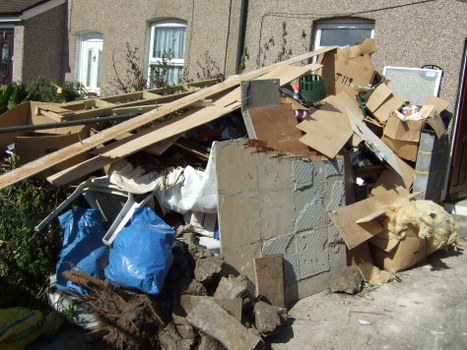
Commercial waste removal also suits trade settings where renovation, refitting or maintenance leaves behind building-related waste. That may include broken fixtures, packaging from new materials, scrap fittings, offcuts, rubble-like debris and general site clean-up material. The aim is to clear the job area so the space can be used, handed over or prepared for the next phase of work.
Trade waste can be mixed and often needs sorting according to what is safe, movable and suitable for disposal together. Heavy debris should be described clearly, as should anything sharp, dusty or awkwardly packed. If a job involves both business rubbish and builders waste, it is usually best to describe each part separately so the quotation matches the real task. Please ask for a quotation when you have the main materials listed.
About Harrow
Harrow is a large district in northwest London, historically associated with the former municipal borough and now part of the London Borough of Harrow. The area is known for its mix of suburban streets, town-centre development and older landmarks. Harrow on the Hill is one of the best-known historic parts of the district, rising above the surrounding streets and giving the area a distinct topography that sets it apart from flatter nearby neighbourhoods. The hill is closely linked with Harrow School, founded in 1572, whose buildings and grounds remain a defining feature of the locality. Around the district, late Victorian and Edwardian housing sits alongside interwar estates, newer apartment developments and civic buildings that reflect successive phases of growth. Harrow’s transport connections, especially the Underground and rail links around Harrow and Wealdstone, have long influenced how the district developed, while the town centre has become a practical shopping and service hub for surrounding communities. Green space is also part of the area’s character: places such as Headstone Manor Recreation Ground, Harrow Recreation Ground and smaller local parks provide breaks from denser streets and commercial corridors. The borough includes several conservation areas and historic structures, with churches, manor remnants and school buildings adding architectural variety. Harrow’s identity is therefore shaped by a combination of ridge-top history, suburban expansion and modern redevelopment, giving the place a layered urban form that is easy to recognise and straightforward to describe without reducing it to a single centre or landmark.
Recycling, sorting and responsible disposal
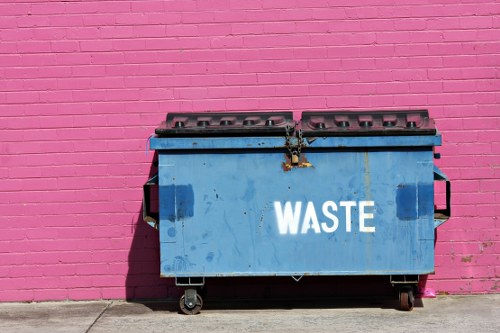
A good commercial waste service does more than take items away. It also needs to consider what can be separated, what should be handled with care and what belongs in a different disposal route. Sorting helps with common materials such as cardboard, paper, reusable metal, broken furniture and mixed general waste. Where an item or load contains different materials, the collection can be planned so the handling is sensible from the outset.
Responsible disposal matters to businesses because it affects both day-to-day tidiness and the way surplus material leaves the premises. Some loads are straightforward; others may contain mixed or awkward items that need extra attention. We keep the focus on practical removal and disposal rather than over-complicating the process. If you are reviewing options, ask how mixed loads are approached and whether any items should be separated before collection so the quotation reflects the actual work.
Common factors that can affect a quotation include the type of material, overall volume, lifting difficulty, access within the building and whether items are loose, boxed or already stacked. A clear outline of the waste is usually more helpful than a broad estimate. For a better starting point, prepare a short description of the load and then request a quotation.
How to prepare a commercial waste enquiry
A useful enquiry starts with the essentials: the type of waste, the approximate amount, where it is located and whether anything needs to be removed from upper floors, basements or secure rooms. If the premises contain several waste types, list them in groups so the collection can be discussed properly. This is especially helpful when furniture, packaging and general rubbish are mixed together.
It can also help to note access details such as parking restrictions, lift availability, narrow staircases or shared entrances, because these can affect how the waste is collected. You do not need to over-explain every item, but a practical summary is valuable. If you already know what must stay on site, mention that clearly. When the scope is clear, ask for a quotation and compare it against the disposal work you actually need.
Office equipment, appliances and specialist items
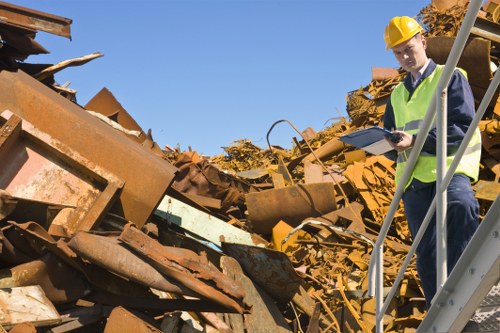
Some commercial premises generate waste that is not simply furniture or paper. Old appliances, desk equipment, metal units, small electrical items and other mixed pieces may need to be removed together. In the right setting, a collection can cover these varied items as part of a wider clearance rather than forcing you to organise separate jobs for each category.
Specialist items should always be described carefully so the collection is planned correctly. Weight, size, condition and material all matter, especially where an item is bulky or awkward to move. If equipment is stored in stages across a workplace, it is useful to group it before collection day. That makes the work clearer and reduces unnecessary handling. If you are ready to move forward, you can request a quotation for the items you need taken away.
For businesses that want a cleaner, simpler site, commercial waste removal in Harrow can bring several loose problems into one managed collection. Whether the task is a regular pickup, an office reset, furniture clearance or trade waste removal, the aim is the same: clear space, remove the burden and deal with the material in a practical way. Get in touch when you are ready to ask for a quotation.